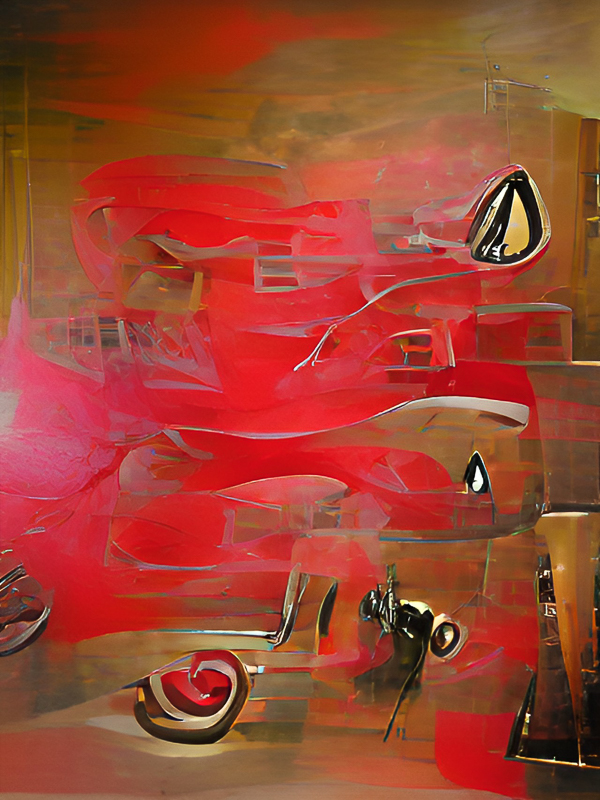
Informal Abstract Art
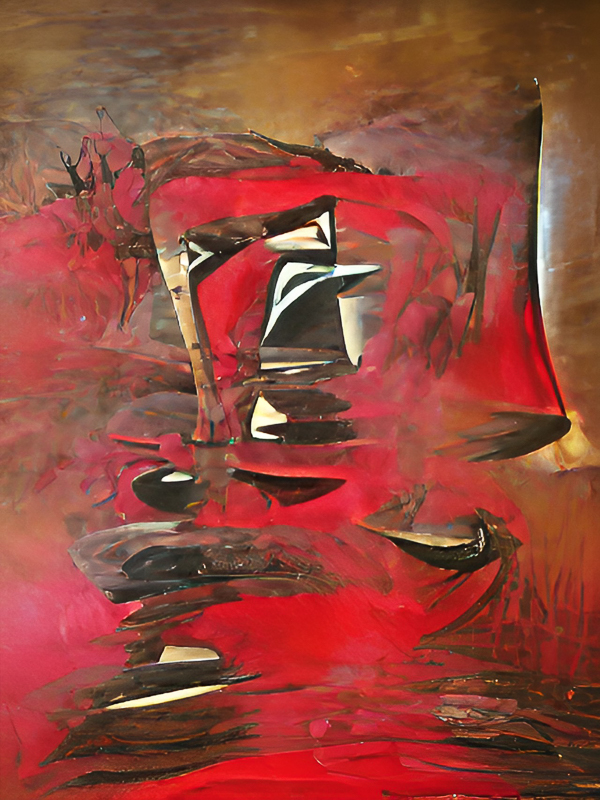
What is Informalism?
Informalism, also known as Art Informel, is an art movement that emerged in Europe during the mid-20th century, particularly in the aftermath of World War II. Informalism is characterized by a rejection of strict geometric forms and a departure from formal composition. Instead, artists within this movement emphasized spontaneity, intuition, and the act of creating art as a process. Informalism encompasses various styles and approaches, reflecting a more open and experimental attitude toward artistic expression.
Key characteristics of Informalism include:
1. Spontaneity and Intuition:
– Artists associated with Informalism prioritize spontaneity and intuition in their creative process. They often work in a more free-form manner, allowing the artwork to evolve organically.
2. Absence of Formal Composition:
– Informalism rejects rigid formal composition in favor of a more open and unstructured approach. Artists may embrace asymmetry and irregular forms, challenging traditional notions of balance and order.
3. Expressive Mark-Making:
– Informalist artists engage in expressive mark-making, utilizing various techniques such as dripping, smearing, and gestural brushstrokes. The emphasis is on the physical act of painting and the energy transferred from the artist to the canvas.
4. Texture and Materiality:
– Informalism often explores the texture and materiality of the artwork. Artists may use a variety of materials, including impasto, sand, or other unconventional elements, to create a tactile and visually engaging surface.
5. Emphasis on the Process:
– The process of creating art is given precedence over the final product. Informalist artists value the act of painting itself, embracing the journey of experimentation and discovery.
6. Ambiguity and Open Interpretation:
– Informalism often results in artworks that are open to interpretation. The ambiguity of forms and the absence of clear representational elements invite viewers to engage with the artwork on a subjective level.
7. Emotional Expression:
– Emotional expression is a significant aspect of Informalism. Artists convey their emotions and inner experiences through the spontaneous and expressive qualities of their work.
8. Diverse Styles:
– Informalism encompasses a diverse range of styles and approaches, making it challenging to define a single, unified aesthetic. Artists within the movement may adopt different techniques and visual languages.
Prominent artists associated with Informalism include Jean Dubuffet, Alberto Burri, Antoni Tàpies, and Wols. The movement played a crucial role in challenging traditional artistic norms and contributing to the development of contemporary art in the post-war period.
What is the difference between informal art and abstract expressionism?
Informalism, a captivating movement within the expansive realm of abstract art, unfolded in post-World War II Europe, particularly in countries like France, Spain, and Italy. Diverging from the structured forms of traditional art, Informalism, also known as Art Informel, encompasses a unique set of characteristics that set it apart from other abstract art movements, including Abstract Expressionism:
1. Geographic Origin:
– Abstract Expressionism: Primarily associated with the United States, Abstract Expressionism unfolded as a beacon of innovation in the landscape of abstract art during the mid-20th century. Icons such as Jackson Pollock and Willem de Kooning left an indelible mark on the movement.
– Informalism: Originating in the vibrant artistic milieu of Europe, Informalism found expression in the works of artists like Jean Dubuffet, Alberto Burri, and Antoni Tàpies, contributing to the rich tapestry of abstract art on the continent.
2. Approach to Form:
– Abstract Expressionism: While Abstract Expressionism boldly embraced non-representational forms within the abstract art spectrum, it showcased a dynamic interplay between gestural brushwork and expansive canvases. The movement spanned “action painting” and “color field painting,” offering diverse approaches to abstraction.
– Informalism: Informalist artists took a more unstructured route, rejecting the confines of strict geometric shapes and formal composition within the realm of abstract art. Their works evolved organically, embodying a spontaneous and intuitive exploration of form.
3. Gesture and Mark-Making:
– Abstract Expressionism: In the realm of abstract art, Abstract Expressionists made a distinctive mark through expressive gestures and dynamic mark-making techniques. The canvas became a stage for the artist’s physical engagement, evident in the energetic movements captured.
– Informalism: Within the spectrum of abstract art, Informalist artists echoed a similar spirit of expressive mark-making. Yet, their focus was on spontaneity and an intuitive act of creation, embracing diverse techniques such as dripping and smearing.
4. Emphasis on the Process:
– Abstract Expressionism: Abstract Expressionists elevated the process of creating art to a central position within the abstract art narrative. The act of painting, laden with emotional intensity, became a pivotal aspect of the final artwork.
– Informalism: Similarly valuing the artistic process, Informalism within the expansive canvas of abstract art leaned toward a rejection of formal composition. The journey of experimentation and discovery took precedence.
5. Texture and Materiality:
– Abstract Expressionism: Texture and materiality were actively explored in Abstract Expressionist works, with artists experimenting with impasto and various materials to create tactile and visually engaging surfaces—a testament to the multifaceted nature of abstract art.
– Informalism: The exploration of texture and materiality in Informalist works within the landscape of abstract art was equally prominent. Unconventional materials added layers of tactile richness to the visually compelling surfaces.
6. Influence of Surrealism:
– Abstract Expressionism: Some Abstract Expressionists, particularly those immersed in the “drip painting” style, drew inspiration from Surrealism. This influence manifested in an emphasis on the subconscious and automatism within the abstract art movement.
– Informalism: While Informalism shares a connection with Surrealism, the influence varies among artists. The movement, rooted in the ethos of abstract art, explores intuitive and spontaneous creation, adding unique dimensions to the artistic landscape.
In essence, both Abstract Expressionism and Informalism contributed significantly to the diverse narrative of abstract art, each weaving its distinctive thread into the evolving tapestry of creative expression.